



|
The Refereeing Dilema We love to hate them, especially when we lose a match. They are the match officials popularly known as the referees. In fact, almost every match week in 2008 has registered a complaint about a referee either through direct confrontation, conversation or even through the press (Breach of Code of Conduct). This scenario is not unique to Uganda, and neither is it confined to rugby; even the last Soccer World Cup final match which must have been officiated over by the best referee in the world drew major complaints from fans.
So the question is; how do we deal with this? For starters, it is important to recognize the vital role that these officials play in any sport. Referees are significant and we can not do without them. Furthermore, recruiting match officials is probably one of the most difficult development areas. As much as we love to criticize them, we are not ready to step forward when the call is made. Even after successfully recruiting them it is very difficult to retain them naturally because of the pressure and stress that comes with the profession. That is the reason why they are overly defended in every sport.
The Uganda Rugby Union Code of Conduct forbids criticism or physical and verbal attack of match officials as a means of protecting them. So how does a club get its justice for a poorly officiated game? This is taken care of by the internal systems in the referee bodies that assess and discipline their members for bad officiating. The apex referee body in Uganda, the Uganda Referees Society, has tried to address this issue through various means. Each referee is ranked and the ranking system is based on the assessor’s reports after every game. Therefore, if a referee is indeed found guilty of bad officiating (note that ‘bad’ is relative and subject to assessment) then he will decline in the order and is likely to be made to officiate low key matches. In addition, the society also has a Disciplinary Committee which handles cases of indiscipline amongst its members.
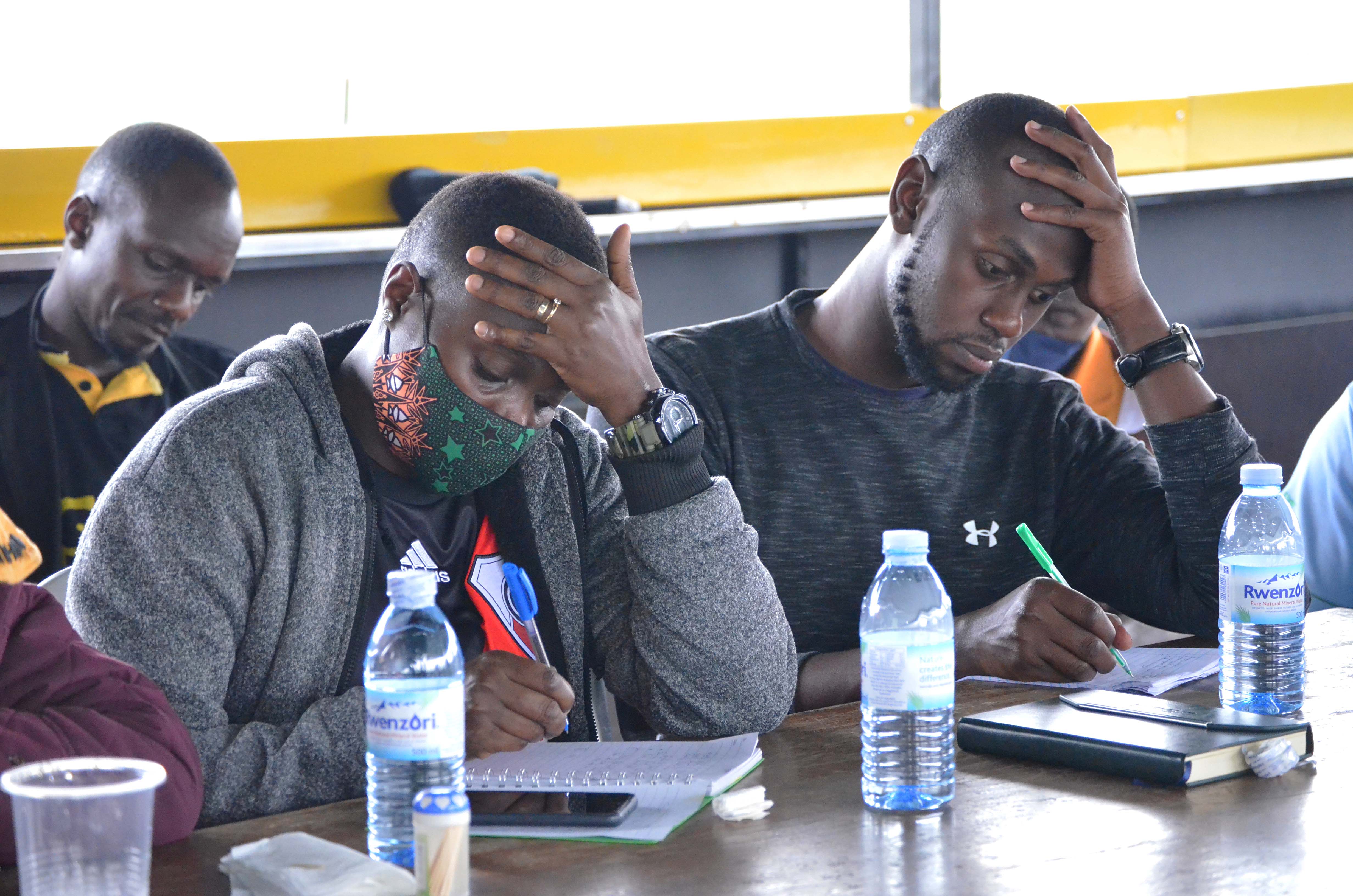
Despite these systems however, the real answer to a good and strong pool of referees starts with numbers. Recruitment of referees through the clubs and other channels is very crucial and clubs can play a major part in that. Regular referees’ training is carried out (annually) by the URU through IRB recognized trainers and Uganda currently has only one; Foxy Ojambo. Once trained, it is important that the referees are retained and do not leave after a short time.
The Union has to guarantee the protective factor through strict adherence to the rules that protect officials, coupled with punitive action that will deter any further abuse. Incentives in the form of pay and seconding by the URU for good referees to officiate international matches in other countries have also been put in place to retain referees.
As of 2008, Uganda has about 23 referees. This is far short of the demand of referees in Uganda today. In effect, it means that every referee is expected to officiate at one game every match week when we have up to 7 matches in one day. Our target, however, should be at increase that number to twice what it is now so that there is some sort of competition for games amongst the referees.
This year, URU has conducted two Level 1 courses for referees, which attracted 30 participants. The Level 2 course was also held on 19th and 20th July 2008. These recruits, we hope, will be able to add to the numbers and develop their officiating skills as time goes on. Our appeal to the rugby fraternity is to support the society as we build a base of competent and respectable referees. Achieving this will take time; but with your support, we are determined to get there.
|
There are currently no fixtures.
|
|